Certification Steps
1) Application & Scope Definition
You submit your company details, sites/locations, headcount, requested ISO standard(s), and scope statement. We confirm the audit scope, complexity, and the certification program requirements.
2) Proposal & Audit Program
We provide a formal quotation including audit duration, timeline, audit method (onsite/remote where applicable), and the proposed audit team competence profile.
3) Stage 1 Audit (Readiness Review)
We review documented information and readiness for Stage 2, including scope, key processes, compliance obligations (where applicable), internal audit, management review, and system maturity.
4) Stage 2 Audit (Certification Audit)
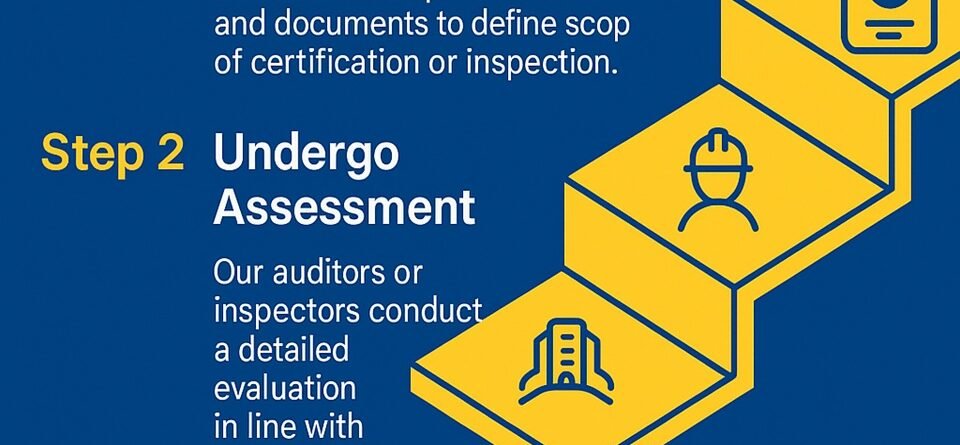
We assess implementation and effectiveness across processes and sites. The audit focuses on objective evidence, performance evaluation, risk-based controls, and continual improvement.
5) Nonconformities & Corrective Actions
If nonconformities are identified, the organization submits root-cause analysis, corrective actions, and evidence within agreed timelines. Effectiveness is verified before decision, as applicable.
6) Certification Decision
A certification decision is made through an independent review of audit results and corrective action closure, ensuring decisions are consistent, justified, and evidence-based.
7) Certificate Issuance & Surveillance
After approval, certification is issued (within the applicable scope). Surveillance audits are conducted periodically to confirm ongoing conformity and improvement.
8) Recertification
At the end of the certification cycle (typically 3 years), a recertification audit is conducted to confirm sustained effectiveness and conformity.
Impartiality
Impartiality is the foundation of credible certification. EURO CERTS safeguards independence and objectivity throughout the certification cycle to ensure trust in audit outcomes and certification decisions.
How we protect impartiality
- Conflict of interest control: We identify, assess, and manage risks to impartiality before assigning audit teams and throughout the audit cycle.
- Independence of decision-making: Certification decisions are made independently from the audit team to avoid undue influence.
- Competence-based auditor assignment: Auditors are selected based on technical competence, sector experience, and independence from the client’s activities.
- No pressure on outcomes: Audit conclusions are based only on objective evidence gathered through sampling, interviews, observation, and record review.
- Fair complaints & appeals: We maintain a structured mechanism to handle complaints and appeals objectively and in a timely manner.
- Confidentiality: Information obtained during audits is protected and used only for certification purposes, unless legally required.