
Turning Compliance into Business Confidence and Market Advantage
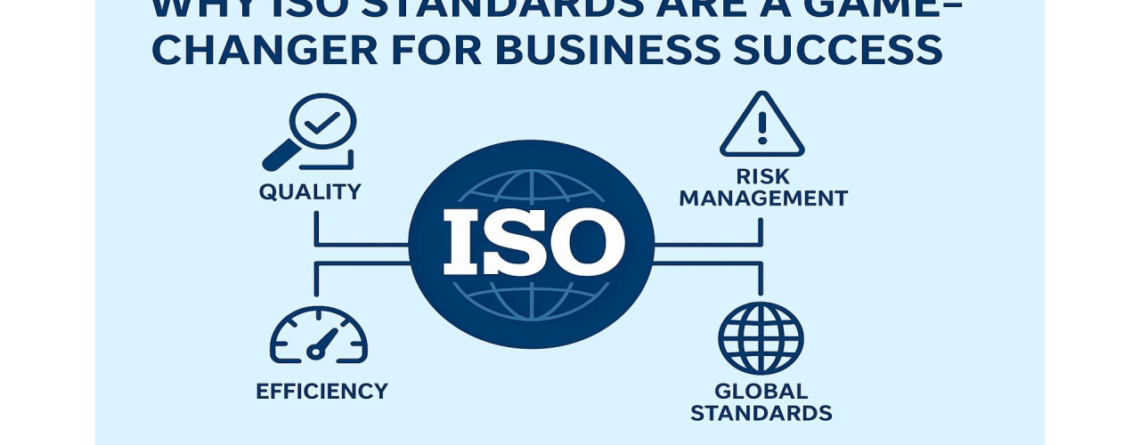
Many organizations still view ISO certification as a mandatory requirement imposed by clients, regulators, or tender conditions. In reality, ISO certification is far more than a framed document on the wall—it is a strategic investment that strengthens how an organization operates, competes, and grows.
ISO management system standards
standards are designed to bring structure, consistency, and accountability into daily operations. When implemented correctly, they help organizations clearly define responsibilities, standardize processes, manage risks, and measure performance. This leads to improved efficiency, reduced errors, and better decision-making based on evidence rather than assumptions.
Certification also plays a critical role in building trust.
Customers, partners, and regulators recognize ISO certification as an independent confirmation that your organization follows internationally accepted best practices. This trust can open doors to new markets, improve tender success rates, and strengthen long-term business relationships.
Internally, ISO certification supports a culture of continuous improvement. Regular internal audits, management reviews, and corrective actions encourage organizations to identify weaknesses early and address them systematically. Over time, this creates a more resilient and adaptable organization—one that can respond effectively to change, growth, and emerging risks.
Most importantly, ISO certification aligns management systems with business objectives. When leadership treats certification as a management tool rather than a formality, the benefits extend beyond compliance into real operational and financial value.
ISO certification is not the end goal—it is the framework that supports sustainable success.



Leave a Reply
You must be logged in to post a comment.